When to Visit Bibury, Castle Combe and Bourton-on-the-Water: A Crowd-Avoidance Calendar
October 10, 2026 - Villages
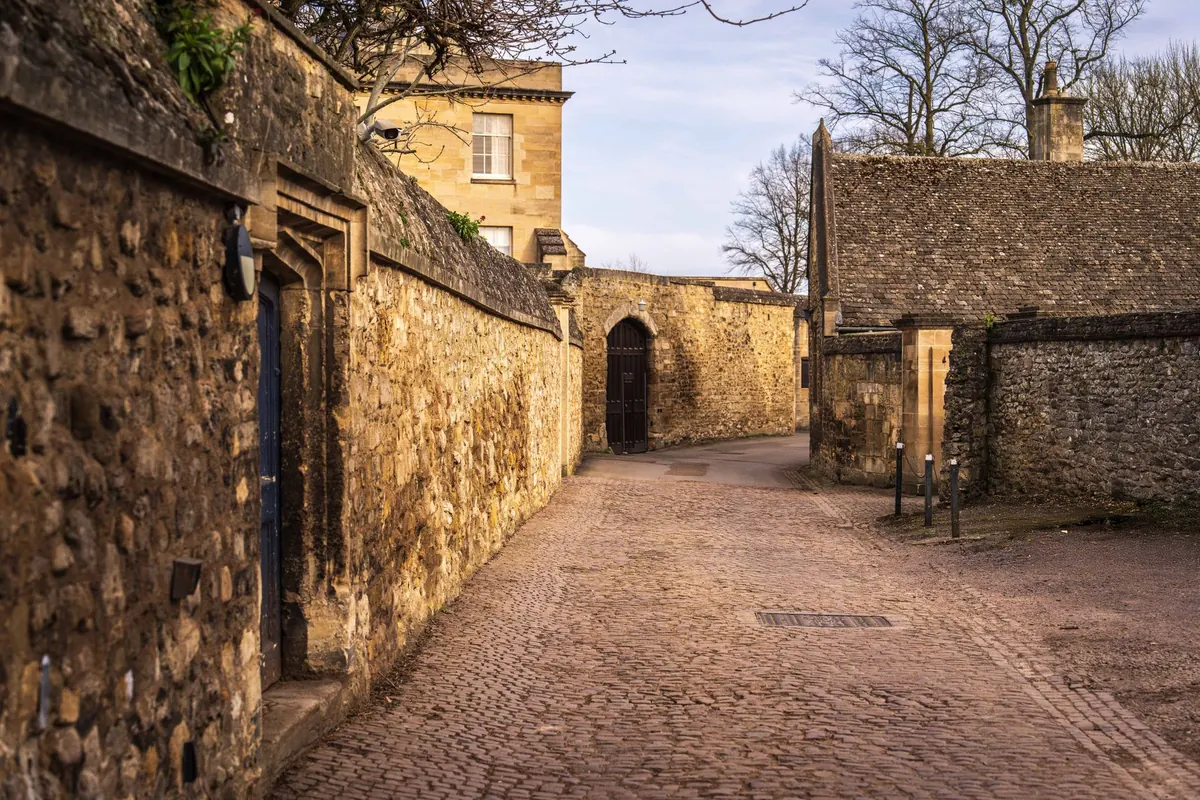
The Cotswolds looks small on a map of England and feels enormous once you are in it. The protected landscape runs the best part of 80 miles from the Warwickshire edge down towards Bath, and the villages that look like neighbours on a screen can be an hour apart on narrow lanes. Where you sleep decides what your days look like: which villages you see properly, how much time you spend in the car, and whether an evening out means a stroll or a taxi you should have booked yesterday.
First-timers usually choose between three clusters. Each has a distinct character, and only one of them is genuinely comfortable without a car.
If you are driving, all three clusters work and you can chase the weather. Rain in the north? Drive south. That flexibility is worth a lot in a region where a morning of drizzle can turn into a bright afternoon. Just be realistic about parking: village car parks are small, many streets were built for carts, and leaving a car on a verge will not win you friends.
Without a car, your shortlist shrinks fast. You want a base on a rail line or a bus corridor, with a shop and at least two places to eat within walking distance. That points to Moreton-in-Marsh or Kingham in the north, Stow-on-the-Wold or Bourton-on-the-Water in the centre, and Cirencester or Stroud in the south. Everything else means taxis, which exist but are thin on the ground, especially in the evening and on Sundays.
Chipping Campden, Broadway, Snowshill, Stanton and Winchcombe sit under the northern escarpment, where the land tilts and the views open up. This is the most dramatic part of the Cotswolds and the best for walking. The Cotswold Way starts in Chipping Campden and runs to Bath; even a two-hour stretch along the ridge above Broadway feels like a proper day out.
Chipping Campden has the finest high street in the region, a long curve of honey stone with the old Market Hall at its centre. Broadway is broader and busier, with the Lygon Arms, decent galleries and Broadway Tower a steep walk or short drive above the village. Winchcombe, a little to the west, is a real small town rather than a showpiece, with Sudeley Castle on the edge and good pubs that locals use.
Practical advantage: Moreton-in-Marsh and Kingham sit on the Cotswold Line, with direct trains to Oxford and London Paddington. Moreton also has the widest choice of everyday shops in the north, plus a weekly market. If you are arriving by train and want villages on foot plus day trips by rail, this is your cluster.
Stow-on-the-Wold, Bourton-on-the-Water, Upper and Lower Slaughter and the smaller hamlets around them are what most people picture. Bourton has the River Windrush running through the middle, low stone bridges, a model village and plenty for children. It is also the busiest village in the Cotswolds, with coach parties filling the riverside from mid-morning in summer. Stay there and you get the pleasure of having it almost to yourself before nine and after six.
Stow is quieter, higher and more useful, a crossroads town with a big market square, antique shops and several places to eat. From Stow you can walk to Lower Slaughter in about 40 minutes across fields, then carry on to Bourton and return by bus or taxi. That single walk is the best introduction to the area you can get.
Burford, on the A40 a little to the south-east, makes a handsome alternative base: a wide slope of a street down to the river, good food, and buses east towards Witney and Oxford. Amenities in this cluster are decent but small. Shops close early, and outside Bourton and Stow you will be walking to dinner.
The south is less polished and more liveable. Cirencester is the anchor: a proper market town with the Corinium Museum, the remains of a Roman amphitheatre, independent shops and enough restaurants to fill a wet week. If you want choice, this is where you get it. It is not a pretty village, and that is exactly the point.
Tetbury, a short drive away, is the antiques town, with a fine market house and a cluster of dealers worth a morning. Highgrove is nearby and its gardens open for booked tours in season. Further west, Painswick has its famous churchyard yews and the Rococo Garden, while Nailsworth and Minchinhampton sit in the valleys with good cafés and a neighbourly feel. Bibury and its Arlington Row are the photographic set piece here, and Chedworth Roman Villa is one of the best Roman sites in the country.
Transport is reasonable: Kemble and Stroud stations connect to Swindon, Gloucester and onward to London, and Cirencester has the widest bus network in the Cotswolds. Castle Combe and Lacock, both just over the Wiltshire border, fold easily into a southern itinerary.
The main bus corridor links Cheltenham, Bourton-on-the-Water, Stow and Moreton-in-Marsh, which makes the centre and north surprisingly workable by bus, though services are infrequent and change with the seasons. A few habits make the difference:
Villages go quiet at night. Pub kitchens often stop serving by half past eight or nine, and some close on Mondays and Tuesdays, so book dinner in advance, particularly from Friday to Sunday. Self-catering cottages in high season tend to run Saturday to Saturday, and the well-known hotels in Bourton and Stow sell out months ahead for summer and Christmas. If you are arriving late, arrange a supermarket delivery to the cottage rather than hoping to find an open shop.
Park considerately and pay for the car park even when the machine looks abandoned. Bibury and Castle Combe fill up by mid-morning in summer, so see them early or late. And check the cancellation terms on any cottage booking: rural businesses are small, and plans change.
Photo: Mark Stebnicki / Pexels
A month-by-month, day-by-day guide to seeing Bibury, Castle Combe and Bourton-on-the-Water before the coaches arrive...
A month-by-month guide to when Cotswold historic houses, gardens and estates open, helping visitors plan around...
Copyright © 2026 Noble Cotswold. All Right Reserved.