When to Visit Bibury, Castle Combe and Bourton-on-the-Water: A Crowd-Avoidance Calendar
October 10, 2026 - Villages
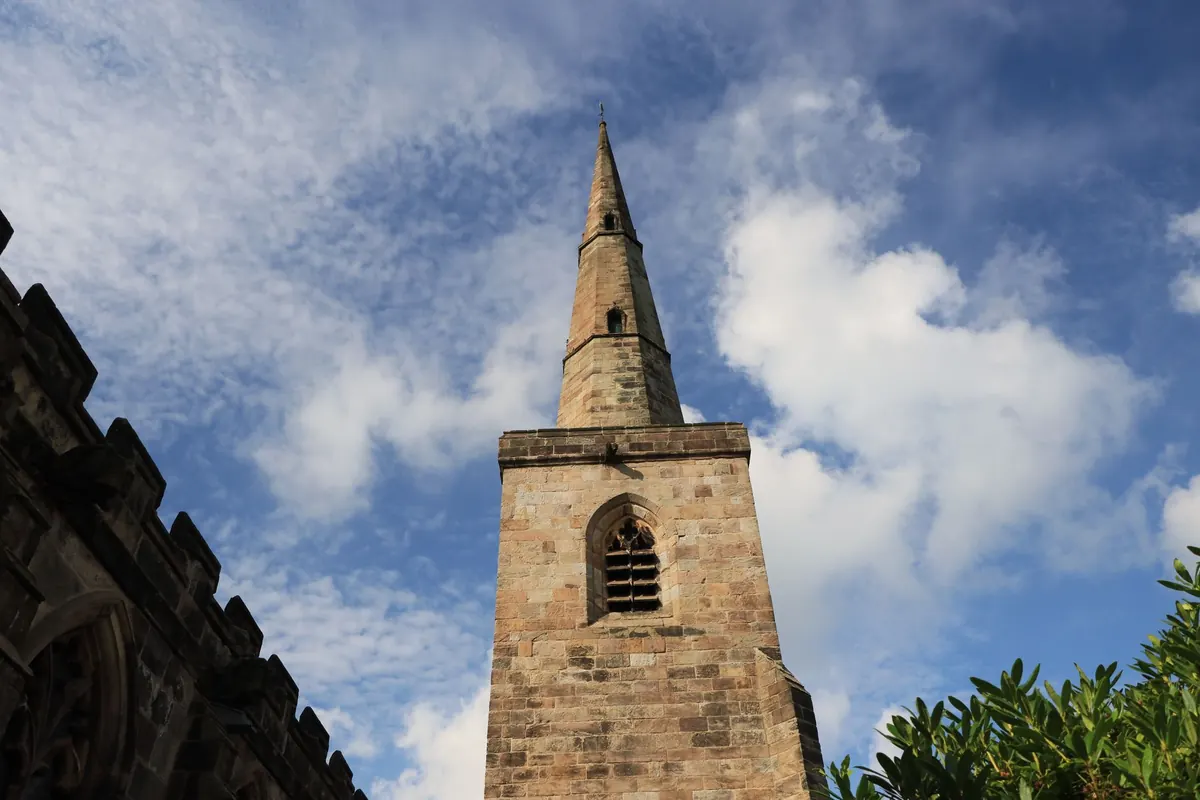
Stand in the churchyard at Northleach on a grey afternoon and the tower does something odd: it makes the village look smaller than it is. The same happens at Chipping Campden, Burford, Cirencester, and a dozen villages you have never heard of. In a landscape of low limestone cottages, these churches are outsized — tall, bright and ambitious, built as though the congregation were three times the size. It wasn't. They were built by sheep.
The Cotswold hills are thin-soiled and awkward for wheat, but they suit sheep. The native breed — the longwoolled Cotswold Lion — gave a heavy, lustrous fleece that was prized by weavers in Flanders and Italy. From the thirteenth century onwards, wool was England's most valuable export, and the Cotswold uplands sat on one of its richest seams.
Monasteries were in the trade early: Cirencester, Hailes, Winchcombe and Malmesbury all grew fat on fleeces. But the money did not stay in religious hands. Local merchants bought, gathered, graded and shipped wool, then reinvested the proceeds in cloth-making, land and, very visibly, church fabric. A successful woolman had no bank account to show off. He had a parish church.
The phrase "wool church" is a later convenience — nobody in 1450 used it — but the thing it describes is real and specific: a church rebuilt, enlarged or gloriously refurnished on the proceeds of sheep.
Not every handsome Cotswold church qualifies. Look for three things together: a rebuild between roughly 1350 and 1520, money that traces back to wool or cloth, and the Perpendicular style — the last great phase of English Gothic, all vertical lines, wide windows and crisp panelling.
Some were monastic, some were parish churches transformed by lay patrons who wanted their own name said aloud in stone. Often the old building was not swept away but extended: an older nave with a startling new tower and aisle bolted on. This is why so many Cotswold churches feel slightly mismatched, and better for it.
Woolmen are unusually present in their own churches. They appear as monumental brasses set into the floor, hands folded, often with a sheep or a woolpack underfoot. At Chipping Campden, the brass to William Grevel, who died in 1401, is usually rendered as calling him "flower of the wool merchants of all England" — a piece of self-promotion that has worn remarkably well. At Northleach, the woolman John Fortey is commemorated on a brass of similar confidence.
Keep an eye out for the details that identify these patrons:
Once you know what funded the work, the architecture starts to explain itself.
The tower was the advertisement, visible from the next ridge. Look for height, buttresses at the corners, a battlemented parapet and pinnacles. Some are plain and muscular, others lacy with panelling. The best were built to be seen from a distance, not admired from the porch.
Perpendicular glazing is the giveaway: large openings divided by slender vertical mullions and crossed by horizontal transoms, creating a grid. The point was light and space for preaching, and it required serious money in stone, lead and glass.
Interiors were meant to be read. Roofs may carry carved angels or timber ribs; the chancel arch may have a carved screen. Bench ends and misericords were the comic strip of the day. Look for fan vaulting in porches — Cirencester's south porch, known as the Wool Porch, is the famous example.
Fairford's St Mary preserves a remarkable scheme of late medieval stained glass, funded by the clothier John Tame. Even where glass is Victorian, the brasses are often original, and they are the closest thing these churches have to portraits.
While you are in the area, walk the lane at Bibury where Arlington Row stands: a fourteenth-century wool store later turned into weavers' cottages, and a neat reminder that the trade shaped houses as well as churches.
Wool wealth was not permanent. Cloth-making shifted, competition grew, and the old export trade faded through the sixteenth century. Then the Reformation dissolved the monasteries, removed the guilds and chantries that had paid for prayers, and left many churches with grand buildings and much smaller incomes. Villages that stayed modest could not afford heavy Victorian refitting, which is one reason so much medieval fabric survives here intact.
Most Cotswold churches are open daily and free to enter, but they are living buildings, not museums. Check the noticeboard for service times before you start opening doors, and be ready to step outside if a service is beginning. Leave a donation — heating and limestone repairs are relentless — and buy the small guidebook where one exists; the local research is usually better than anything online.
Mid-morning light is best for stained glass, and low winter sun is best for seeing carved detail on a tower. Binoculars help far more than you would expect. Parking in these villages is tight and residents are tolerant only up to a point, so use the village car park or a pub, and walk in. If you want structure, the annual Ride and Stride weekend and local Historic Churches Trust events open hundreds of churches at once, often with someone on hand who knows exactly which corbel to point at.
Go with one question in mind: who paid for this, and what did they want in return? The answer is usually carved somewhere within reach.
Photo: Jan Wright / Pexels
A month-by-month, day-by-day guide to seeing Bibury, Castle Combe and Bourton-on-the-Water before the coaches arrive...
Northern, central or southern Cotswolds? A practical comparison of the three village clusters, with honest advice on...
Copyright © 2026 Noble Cotswold. All Right Reserved.