When to Visit Bibury, Castle Combe and Bourton-on-the-Water: A Crowd-Avoidance Calendar
October 10, 2026 - Villages
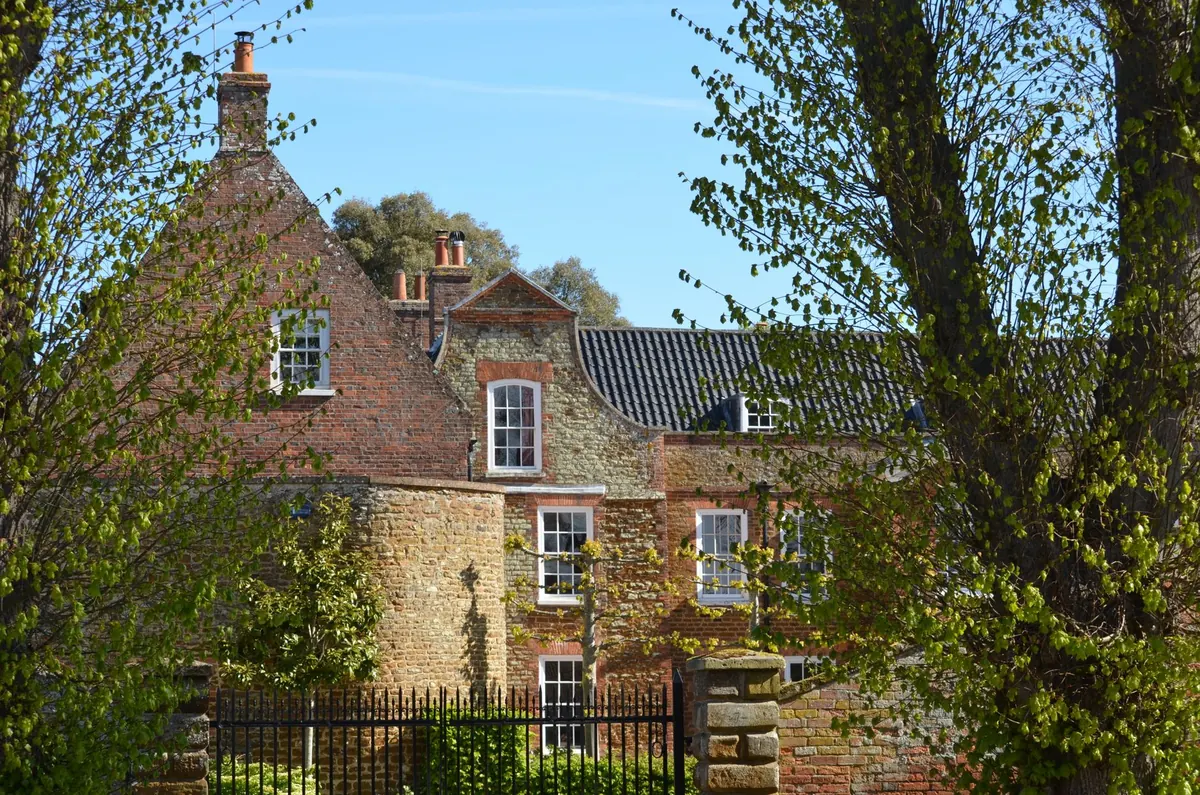
Two honey-stone houses, forty minutes apart, same weekend, same four guests. One has a bell to ring for a pot of tea. The other has an oven you have to learn and a key safe by the boot room door. Both can be wonderful. Both can also be entirely the wrong shape for the trip you have actually booked — a rain-soaked February week with two dogs, a birthday dinner where nobody wants to cook, a first visit to the Cotswolds with parents who no longer drive.
The question isn't which is more luxurious. Well-run self-catering in the Cotswolds can be every bit as handsome as a country house hotel: linen sheets, a wood-burner, a garden sloping towards a village church. What differs is who carries the logistics.
A hotel absorbs them. Someone makes the bed, plates the breakfast, holds your dinner table, points you towards the right footpath out of Broadway or Burford, and hands you a glass when you come back muddy. A cottage hands the whole operation to you — which is exactly the point if you like cooking, dislike timetables, or want the children to be loud at seven in the morning without apology.
A hotel price is usually per room, per night, with dinner and drinks added on top. A cottage price is usually for the building, so the cost per head falls the more people you squeeze in. Run the arithmetic for your actual group before you decide anything.
Short breaks are the trap. Many cottages set a three-night minimum with a Friday or Monday changeover, so a two-night weekend can cost close to three. Add a large supermarket shop, logs, a heating charge in some properties, cleaning, a per-dog fee and the restaurant meals that creep back in when nobody fancies cooking, and the gap narrows fast.
You are paying for infrastructure: breakfast for four, a pool you would otherwise book separately, a bar that stays open, someone to sort the taxis. If your party would have eaten out every night regardless, the difference between a hotel dinner and a good pub twenty minutes away is smaller than the rate card suggests. If you would have cooked, it isn't.
Hotels reward arrivals. Turn up at four and by five past you are in a chair with tea and no decisions to make. Mornings are handled. Dinner is a table you booked rather than a shop you had to reach before closing. The trade is a schedule: breakfast ends, the restaurant may shut midweek out of season, the spa keeps hours, and Sunday evenings in the Cotswolds can be quieter than visitors expect.
Cottages reward a different temperament. You eat at ten if you like, walk in with wet coats, light a fire and let the evening sprawl. But the first hour is work — finding the boiler, working out the oven, driving to the nearest shop. Arriving at nine at night with tired children, that hour can feel long.
A cottage wins on undiluted privacy: no shared corridors, your own garden, a hot tub nobody is queueing for, separate sitting rooms so two couples can coexist comfortably. Dogs are welcome far more often, and so are muddy boots and late nights.
A hotel wins on ease and anonymity. You can be sociable in the bar and invisible by dinner. A suite with a private terrace and spa access gives you much of a cottage's privacy without the housekeeping. For groups, the friction is usually money and timing: separate room bills are simple, but coordinating six people's breakfast and dinner slots takes patience.
Start with the spine of the trip rather than the photographs. Who is cooking? Who is driving? What time does everyone wake up? How long are you staying? Two nights and a birthday dinner points to a country house hotel. A week, a full car and a dog points to a cottage.
There is also a middle path that suits the Cotswolds particularly well: split the stay. Take a hotel for the first and last night of a longer trip, when you want to arrive gently and leave without stripping beds, and a cottage for the week between. Some hotels sell day access to the spa and pool, which is a neat way to borrow the service without paying for the room.
Choose the stay that matches the trip you are actually taking — the one with the tired toddler, the two dogs, the guest who avoids stairs — rather than the one in the photograph. Get that right, and the honey-stone villages do the rest.
Photo: Neville Hawkins / Pexels
A month-by-month, day-by-day guide to seeing Bibury, Castle Combe and Bourton-on-the-Water before the coaches arrive...
Northern, central or southern Cotswolds? A practical comparison of the three village clusters, with honest advice on...
Copyright © 2026 Noble Cotswold. All Right Reserved.